

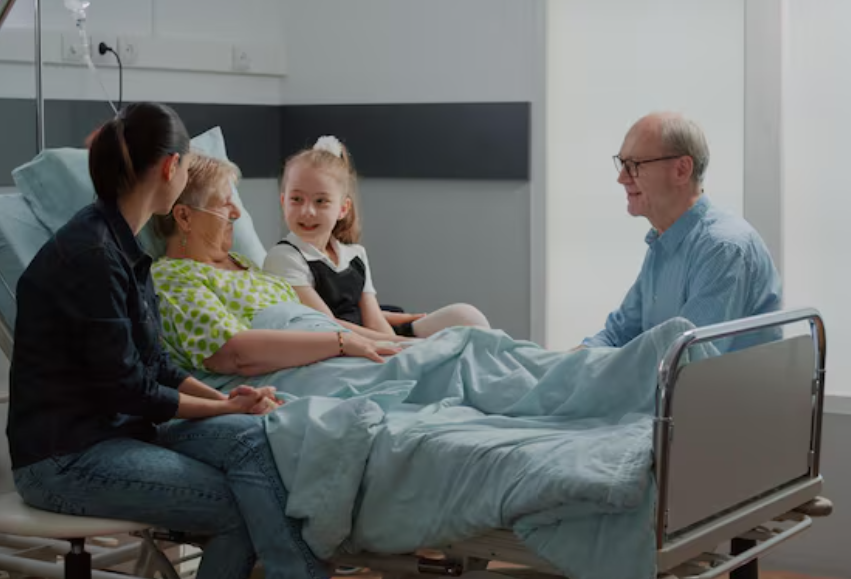
Critical care involves the specialized care of patients whose conditions are life-threatening and who require comprehensive care and constant monitoring. This field of healthcare is dedicated to supporting both the patients and their families during some of the most challenging times. Understanding the dynamics of critical care, the support systems available, and the best practices for family involvement can significantly improve the overall experience for both patients and their loved ones.
Understanding Critical Care
What is Critical Care?
Critical care, also known as intensive care, is a multidisciplinary healthcare specialty that caters to patients with severe and life-threatening illnesses and injuries. These patients typically require advanced medical treatment, intensive monitoring, and a high level of support to maintain vital organ functions.
Common Conditions Requiring Critical Care
Patients in critical care units (ICUs) may be suffering from a variety of severe health conditions, including:
- Severe infections: Such as sepsis or septic shock.
- Respiratory failure: Requiring mechanical ventilation.
- Traumatic injuries: Resulting from accidents or violence.
- Cardiac conditions: Including heart attacks and severe arrhythmias.
- Neurological crises: Such as stroke or severe brain injury.
- Post-surgical complications: Requiring intensive postoperative monitoring and care.
Patient Support in Critical Care
Comprehensive Medical Care
Critical care units are equipped with advanced medical technology and staffed by specially trained healthcare professionals. Key aspects of patient support include:
- Monitoring: Continuous monitoring of vital signs, including heart rate, blood pressure, and oxygen levels.
- Mechanical Ventilation: Support for patients who are unable to breathe on their own.
- Medication Management: Administration of medications to manage pain, infections, and other critical conditions.
- Nutritional Support: Ensuring patients receive adequate nutrition, often through feeding tubes or intravenous (IV) nutrition.
- Physical Therapy: Early mobilization and physical therapy to prevent muscle atrophy and other complications.
Emotional and Psychological Support
Patients in critical care often experience significant emotional and psychological stress. Providing emotional support is a crucial component of holistic patient care.
- Communication: Keeping patients informed about their condition and treatment plan, when possible.
- Psychological Care: Access to psychologists or counselors to help patients cope with anxiety, fear, and depression.
- Comfort Measures: Ensuring patient comfort through pain management, positioning, and personal care.
Family Support in Critical Care
Importance of Family Involvement
The involvement of family members in the care process can have a positive impact on patient outcomes and provide comfort to both patients and their loved ones. Family members often serve as advocates for the patient, providing vital information to healthcare providers and helping to make informed decisions about care.
Communication with Healthcare Providers
Effective communication between family members and the healthcare team is essential. Strategies to enhance communication include:
- Regular Updates: Providing family members with regular updates on the patient’s condition and treatment plan.
- Family Meetings: Scheduled meetings with the healthcare team to discuss the patient’s progress and address any questions or concerns.
- Clear and Compassionate Communication: Ensuring that information is conveyed in a clear, compassionate, and understandable manner.
Emotional and Psychological Support for Families
Families of critically ill patients often experience high levels of stress, anxiety, and uncertainty. Providing emotional and psychological support to families is vital.
- Counseling Services: Access to counselors or social workers who can provide emotional support and coping strategies.
- Support Groups: Participation in support groups where families can share experiences and receive mutual support.
- Respite Care: Offering opportunities for family members to take breaks and attend to their own needs, knowing their loved one is well cared for.
Practical Support for Families
In addition to emotional support, families may require practical assistance during their loved one’s critical illness.
- Accommodation: Providing information about nearby accommodation options for families who need to stay close to the hospital.
- Financial Assistance: Offering resources and support for navigating insurance and financial challenges associated with prolonged hospital stays.
- Resource Centers: Access to hospital resource centers that can provide information on medical conditions, treatment options, and support services.
Best Practices for Critical Care Units
Family-Centered Care
Implementing a family-centered care approach involves recognizing the vital role of family in the patient’s care and recovery process. Best practices include:
- Flexible Visiting Hours: Allowing family members to visit outside of traditional visiting hours to provide support to the patient.
- Family Participation: Encouraging family involvement in patient care activities, as appropriate.
- Private Spaces: Providing private spaces for families to rest, reflect, and have private conversations.
Training and Support for Healthcare Providers
Healthcare providers in critical care units should receive training and support to effectively engage with and support families.
- Communication Training: Enhancing skills for delivering difficult news and providing emotional support.
- Stress Management: Providing resources and training for managing stress and preventing burnout among healthcare providers.
- Interdisciplinary Collaboration: Promoting teamwork and collaboration among healthcare providers to ensure comprehensive care for patients and their families.
Palliative and End-of-Life Care
For patients who are unlikely to recover, critical care units should integrate palliative care principles to ensure comfort and dignity at the end of life.
- Palliative Care Teams: Involving palliative care specialists to manage symptoms and provide emotional support.
- Advance Care Planning: Discussing and documenting patient and family preferences for end-of-life care.
- Bereavement Support: Offering support to families before and after the death of a loved one.
Technology and Innovation in Critical Care
Telemedicine and Remote Monitoring
Advancements in technology have enabled the integration of telemedicine and remote monitoring in critical care, providing several benefits:
- Enhanced Monitoring: Remote monitoring systems allow for continuous tracking of patient vital signs and early detection of complications.
- Access to Specialists: Telemedicine facilitates consultations with specialists who may not be physically present, ensuring comprehensive care.
- Family Communication: Video conferencing tools enable family members to stay connected with their loved ones and the healthcare team, even when they cannot be physically present.
Advanced Diagnostic and Therapeutic Tools
Innovations in medical technology continue to improve the diagnosis and treatment of critically ill patients.
- Imaging Technologies: Advanced imaging technologies, such as CT scans and MRIs, provide detailed insights into patient conditions.
- Artificial Intelligence: AI algorithms assist in early diagnosis, treatment planning, and predicting patient outcomes.
- Robotic Surgery: Minimally invasive robotic surgery offers precision and reduces recovery time for critically ill patients.
Critical care is a vital field of healthcare that focuses on providing comprehensive support to patients with life-threatening conditions and their families. By understanding the complexities of critical care, implementing best practices for patient and family support, and leveraging technological innovations, healthcare providers can enhance the quality of care and improve outcomes for critically ill patients. Supporting families through effective communication, emotional and psychological support, and practical assistance is essential to ensuring a holistic approach to critical care.